Content
Weather-ready landscapes are designed to withstand the weather extremes common in Nebraska, such as heavy rainfall, drought, extreme temperatures, and high winds. Key features of a weather-ready landscape include the following.
- Increased plant diversity and use of well-adapted plant species
- Use of landscape design principles to increase plant health and water use efficiency, and reduce fire risk
- Management of soil quality
- Use of water conservation techniques, including the use of rain gardens
- Proper landscape water drainage
- Establishment and management of effective windbreaks
By integrating these elements, a weather-ready landscape can better cope with the challenges posed by changing weather patterns and contribute to overall environmental health.
Make Your Landscape Weather Ready
Dormancy Breaks
Preventing damage from late winter warm periods on early spring growth.

Drought
From "abnormally dry" to "extreme drought" Nebraska landscapes should be prepared for dry weather.
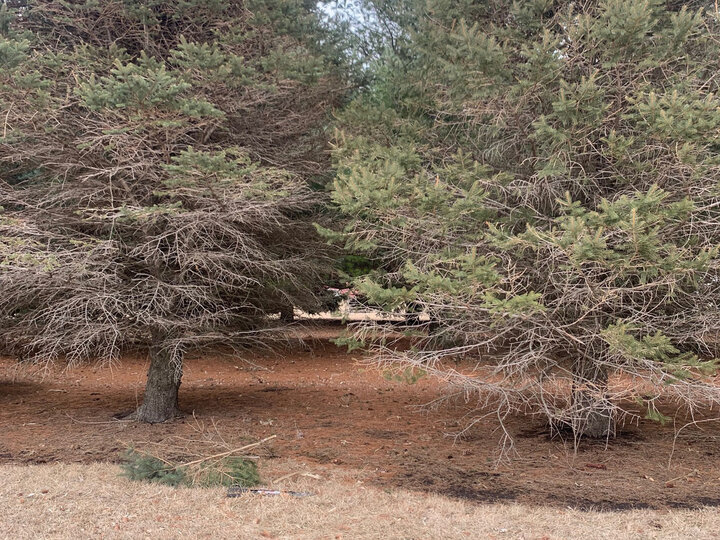
Fire Smart
Planning ahead to prevent fire events.
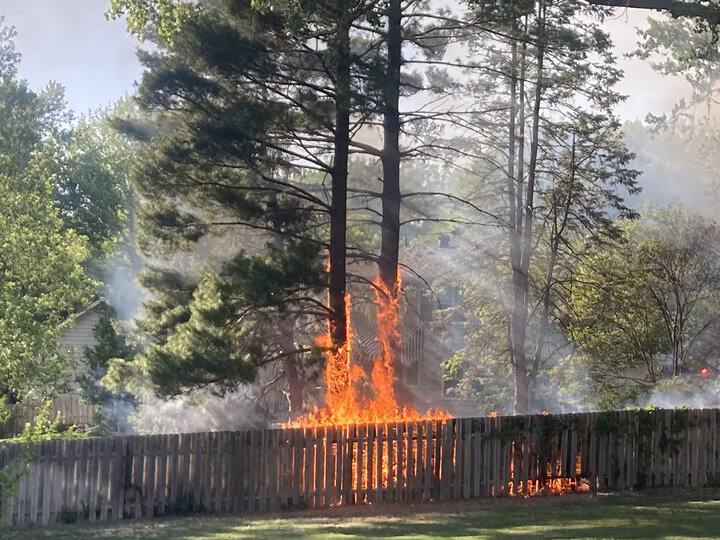
Flood
Minimize the impact of extreme rain events.
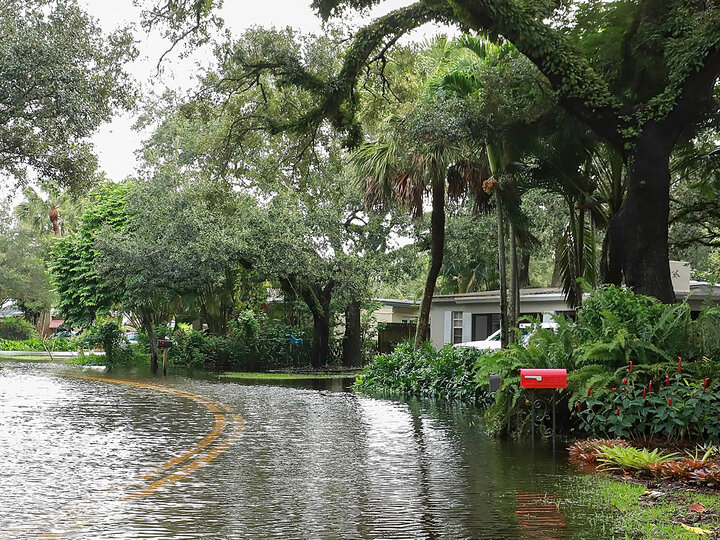
Make Your Landscape Weather Ready - part 2
Frost
Minimize the effects of frost damage.

Hail
Managing the effects of hail.

Snow and Ice
Preventing landscape damage from ice.

Tornado & Wind Damage
Reducing the chances of damage from high wind and tornados.
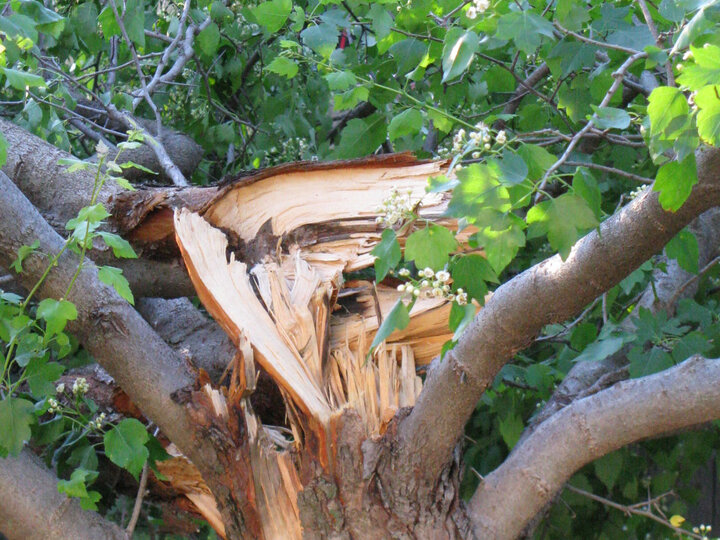
Make Your Landscape Weather Ready - part 3
Winter Desiccation
Steps to minimize winter drying and desiccation.