Content
What is it?
The frequency of hail in the U.S. is greatest in the Great Plains due to a higher elevation (closer to freezing level). Hail forms when rain/ice particles are carried in the updrafts and downdrafts in thunderstorms colliding and freezing onto one another, while growing into larger pieces of ice.
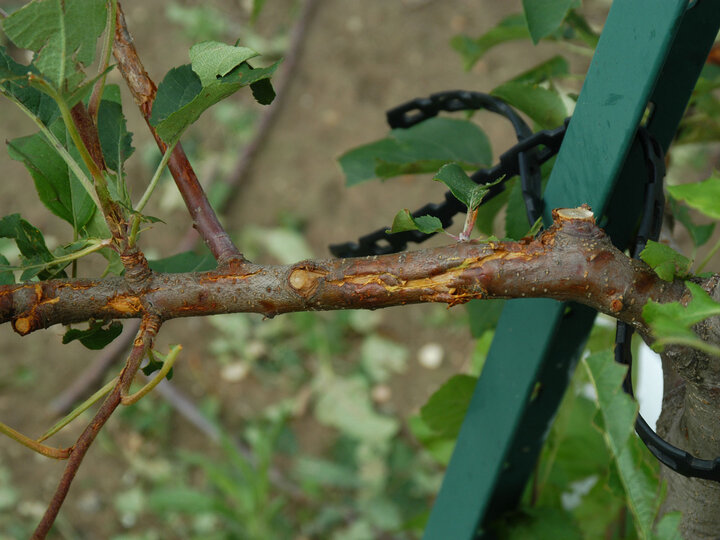
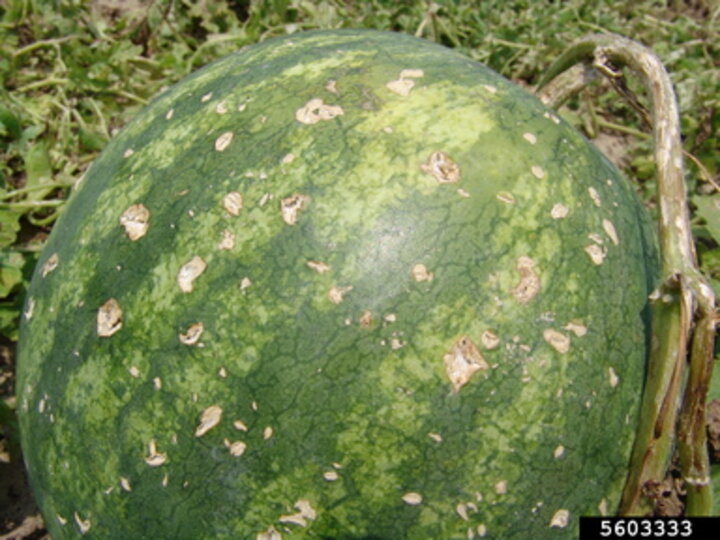
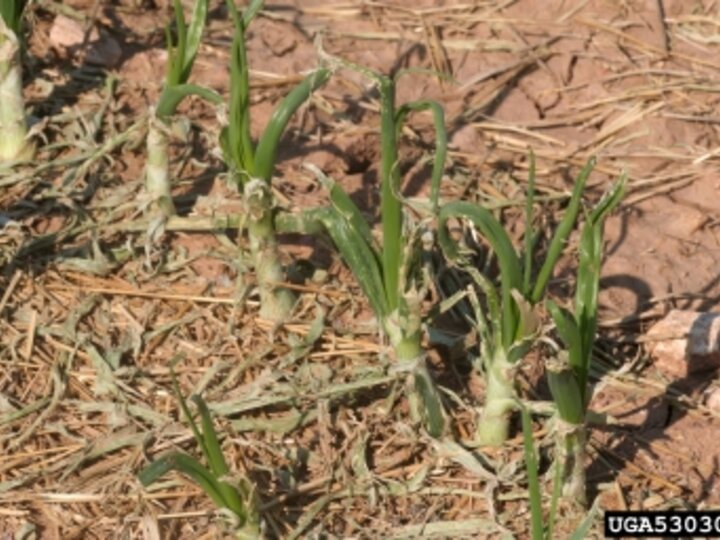
Impact from hailstones can damage leaves, stems and fruit. The size of the hailstone, the amount of hail, time of year, and the wind speed plays a big role in the amount of damage to plant material.
Preventative Actions
Preventative Actions
To protect against hail, cover up as much as possible.
- Remove any dead, damage or diseased tree branches as you see them.
- Bring potted plants and trees to a temporary protected location or cover plant material with large empty pots or empty containers until the threat of hail has passed.
- Hoops with floating row cover can help prevent hail damage to vegetable crops.
Nebraska Stats
Nebraska Hail Events
- Peak months: May–July account for the majority.
- June alone often contributes 20–30 hail days statewide.
- In active years, Nebraska can exceed 90+ hail days with 1"+ hail.
- Quiet years may be closer to 40–50 days.
Photo above of damage to a watermelon from hail is from Gerald Holmes, Strawberry Center, Cal Poly San Luis Obispo, Bugwood.org
Nebraska Hail Events
Nebraska averages 545 hail events per year (source: Storm Prediction Center).
Photo above of damage to onions from Hail is from Whitney Cranshaw, Colorado State University, Bugwood.org
Typical Damage
Changing temps can alter the effects of hail.
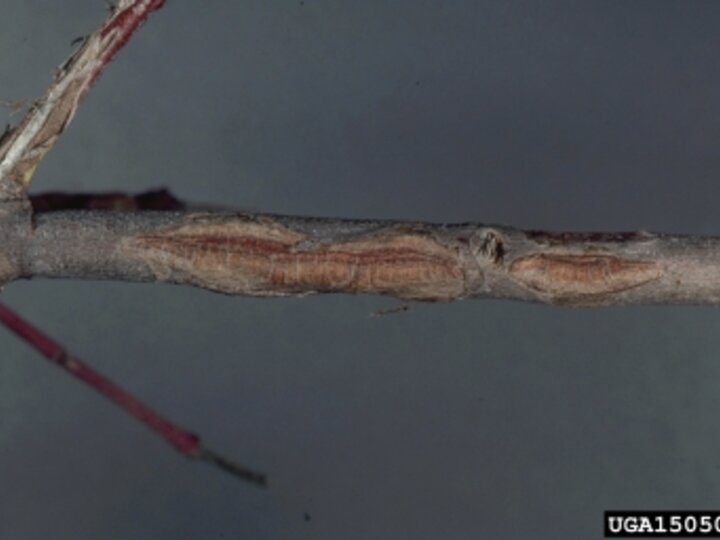
Photo of canker injury left behind following a hail event is from Paul A. Mistretta, USDA Forest Service, Bugwood.org
Corrective Actions
Corrective Actions
Once the hail has passed, remember to trim where needed.
- Utilize corrective pruning of broken branches if it is safe to do so from the ground or hire an arborist.
- Cut off severely damaged flowers and stems with a by-pass hand pruner just above a node.
- Remove hail damaged fruit or vegetables if damage is severe before rot begins.
- Avoid excessive leaf removal and pruning. Remove severely hail damaged leaves, but try to leave as much green tissue as possible which is needed for photosynthesis and plant recovery.
- Replant annual flowers that do not have any remaining foliage or show signs of recovery within a week.
- Avoid fertilization until the plant recovers.
- Keep soils around the plant evenly moist, not soggy or dry.
- Mulch with wood chips to avoid weed competition and to moderate soil temperature and moisture.
- Monitor plants for signs of cankers on twigs/branches; prune these out.