Content
What is it?
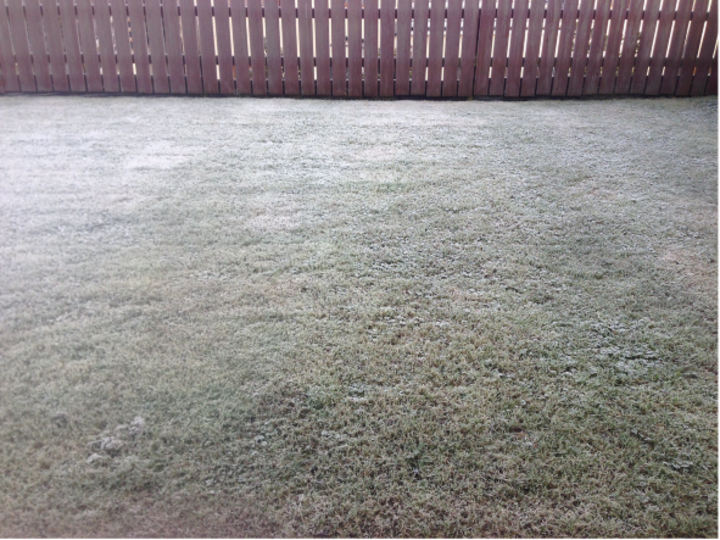
Frost is what happens when ice crystals form on a surface or when a layer of ice forms on surfaces that are at or below 32°F. The ground, or any surface, must be at or below 32° and match the dewpoint for frost to form. Cold air sinks, so surface may be cooler than air above it. Calm, clear nights enhance frost chances.
Preventative Actions
Preventative Actions
Location can play a role in frost damage.
- Plant in proper hardiness zones. Plant trees, shrubs, groundcovers, perennials and ornamental grasses that are adapted to USDA hardiness Zone 6 in southern Nebraska; Zone 5 in northern Nebraska.
- Pay attention to the weather forecast. Nights without cloud cover typically cause the most damage.
- Water soils around plants thoroughly in late fall so that they enter winter moist, not soggy or dry. Avoid fall fertilization of shrubs, roses, groundcovers and perennials.
- Bring potted plants and trees to a temporary protected location until temperatures warm to 50 °F or above.
- Cover susceptible low growing plants in the evening with sheets, tarps or blankets to trap in the earth’s accumulated warmth. Use a stake or frame to minimize contact between cover and foliage. Remove the covering from plants when temperatures warm in the morning.
Nebraska Stats
Frost Free Season
The frost-free season has increased by 1-2 weeks since 1991 (Oglesby et al.), but it varies significantly with the statewide average “frost free” period varying by nearly 40 days during that period (Shulski et al).
Photo above from: Joseph OBrien, USDA Forest Service, Bugwood.org
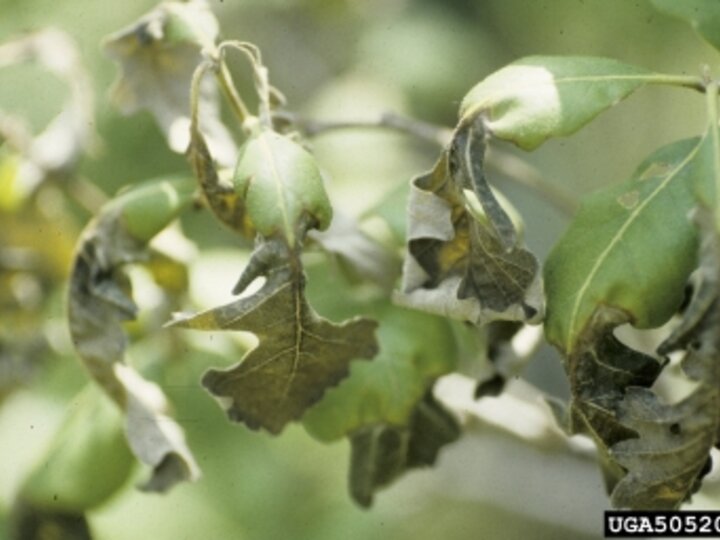
Nebraska Average Last Frost in Spring
SE Nebraska: Late April
Central Nebraska: Early May
NW Nebraska: Mid May
Source: Midwest Regional Climate Center
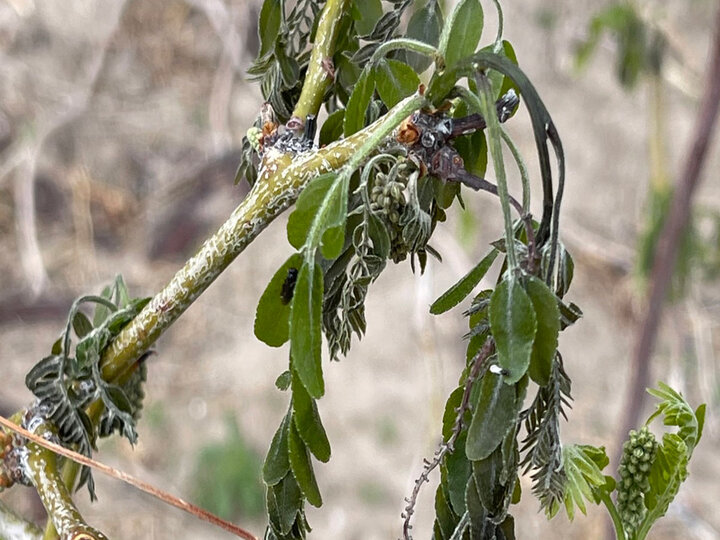
Nebraska Average First Frost in Fall
SE Nebraska: Mid October
Central Nebraska: Early October
NW Nebraska: Late September
Source: Midwest Regional Climate Center
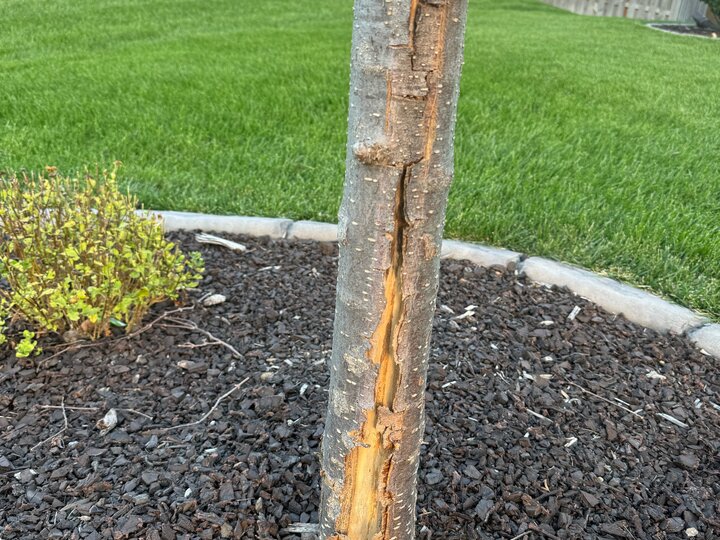
The photo above shows a frost crack on a tree trunk, photo from John Fech, Nebraska Extension
Corrective Actions
Corrective Actions
Recovery from frost is difficult and may take some time.
- Allow frosted leaves to fall off the plant naturally, then rake them up and compost them.
- Cut off blackened stems with a bypass hand pruner just above a node or growing point.
- Avoid fertilization until the plant recovers. Early summer fertilizer application will be appropriate in most situations.
- Keep soil around the plant evenly moist, not soggy or dry.