Content
What is it?
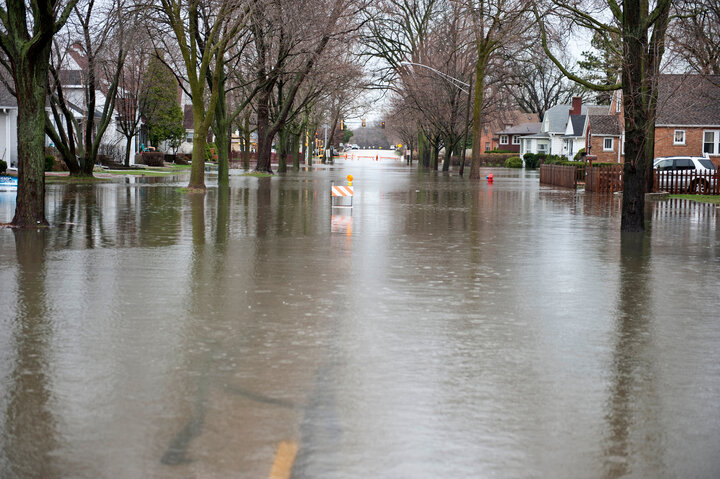
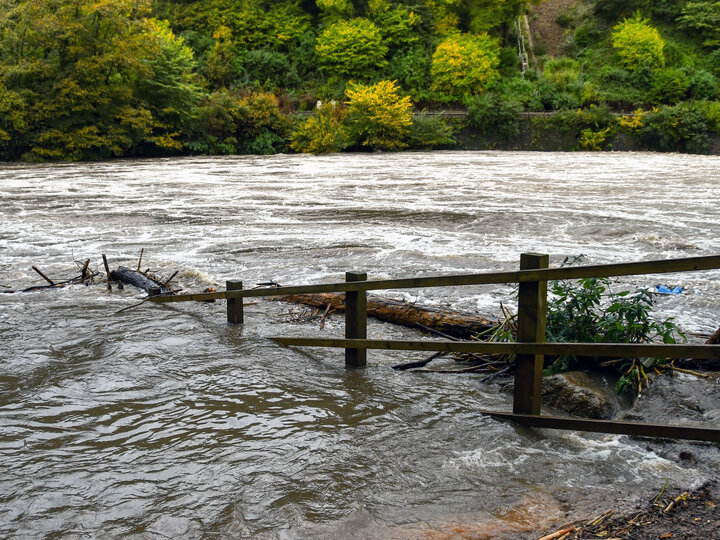
Extremes in rain events increase the chance of localized flooding, like in low lying areas and streets, as well as more devastating events like river flooding.
Plant roots need air (oxygen) just as much as they need water. When the pore space between the soil particles is filled with water for extended periods of time, plants will become stressed and start showing symptoms of too much water like yellowing of the leaves with a drooping appearance.
Preventative Actions
Preventative Actions
Site selection is key to flood prevention.
- Pick the right plant for the right place. Select plants that are tolerant to wet sites in areas that have a tendency to remain wet. Avoid planting plants who don’t like ‘wet feet’ in low lying or flood prone areas.
- Remove any dead, damaged, or diseased tree branches as you see them.
- Plant trees, shrubs, groundcovers, perennials and ornamental grasses that are adapted to USDA hardiness Zone 6 in southern Nebraska; Zone 5 in northern Nebraska.
- To reduce runoff from landscapes during heavy rain events (mainly to help reduce localized street flooding and to reduce stormwater runoff, slow it down and soak it in with landscape features such as rain gardens, bioswales, low berms that direct rainwater where it is wanted and will reduce flooding risk.
- Encourage rainwater to soak in rather than run-off with good soil management by increasing organic matter content of soils and reducing soil compaction, such as core aeration or tillage where feasible.
Nebraska Stats
Great Plains Precipitation
In the northern plains, extreme precipitation days have increased by 24% (Source: Nebraska State Climate Report)
Nebraska Precipitation
Increase of annual precipitation up to +1.00”/decade (Source: Applied Climate Information System)
Extreme precipitation events will increase, with most extreme events increasing most. (Source: Nebraska State Climate Report)
Typical Damage
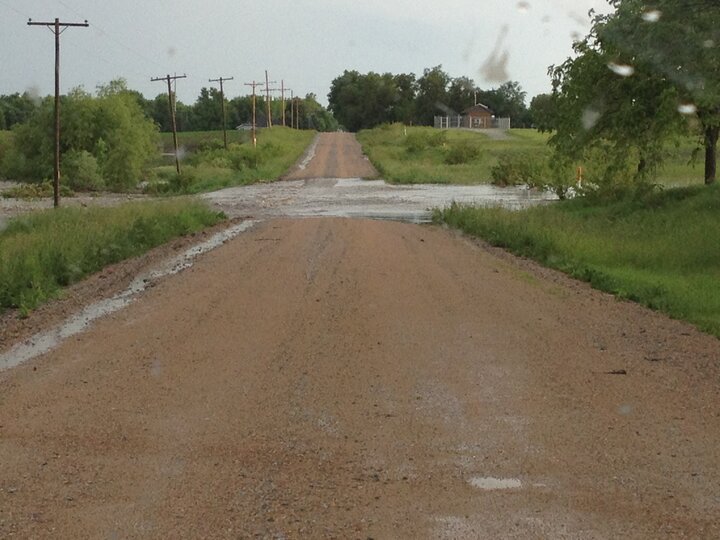
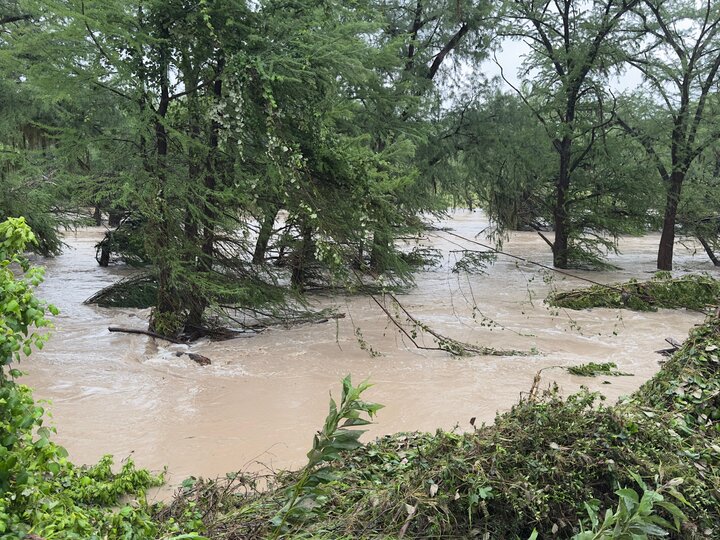
Flooding can cause trees to grow additional roots, cause trunk damage and increase susceptibility to insect and disease pest problems. Flooded vegetable gardens may also be contaminated leading to food safety concerns.
Corrective Actions
Corrective Actions
Recovery from floods can be difficult and may take some time.
- Remove and dispose of all garden produce that has come into contact with flood waters. It is unknown what the water contained, and the produce should be considered contaminated.
- Remove any dead or damaged branches if you can do so safely. Consult an arborist for more extensive pruning or tree removal.
- Watch for secondary pest problems like insects or fungi on stressed plant material.
- Keep soil around the plant evenly moist, not soggy or dry.
- Mulch with wood chips to avoid weed competition and to moderate soil temperature and moisture.
- Avoid fertilization until the plant recovers.
- Little is known about the long-term effects of flood on plant material. Realize that it could take several years before some plant species show signs of damage.
- Pull back mulch after flooding or extreme precipitation events to speed soil drying if saturated; then replace mulch.