Content
Seasonal information for Nebraska's green industry professionals.
Going In-depth
1. Winter Injury on Plants - Winter can be damaging to our plants.
2. January 30th growing degree days (GDD) - Several Nebraska sites below, Understanding Growing Degree Days
3. Pest update - Based on growing degree day (GDD) markers, the pest control season is at an end. Watch for the return of GDD pest target timing in March 2026.
Research You Can Use
4. Pruning Oak Trees to Avoid Oak Wilt, Iowa State University Extension and Outreach
Greener Landscapes - Conservation & Climate Change Mitigation in Action
5. Selecting Ornamental Grasses
Timely Topics
6. Prune Fruit Trees while Dormant
7. Prune Summer-Flowering Deciduous Shrubs during Dormancy
8. Scout now for Bagworms
9. Black Knot
For Your Information
10. Commercial/Non-commercial pesticide applicator certification - Obtaining a new license or updating an expired license.
11. Digital Diagnostic Network - Need help with diagnostics? - Submit pictures and questions for diagnosis by Nebraska Extension experts.
ProHort Update Newsletter
ProHort Update is a FREE monthly e-mail newsletter from Nebraska Extension, providing timely information to green industry professionals.
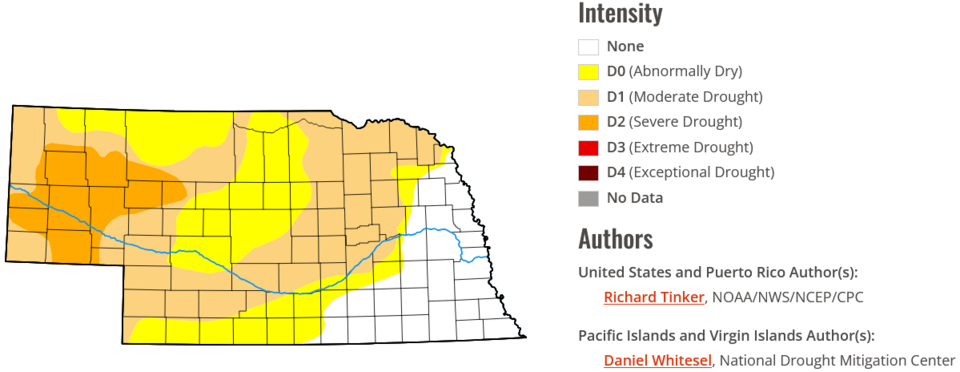
SubscribeNebraska's drought status, 1/29/2026
ProHort Update Body 10/2024
Upcoming Events
1. Winter Injury on Plants
This winter has had some moisture, but not has not seen a long period of snow cover. Coupled with the dryer conditions, extremely cold days and nights have also been received, setting Nebraska landscapes up for possible damage.
Snow Protection
Plant protection can come from snow on plants through the winter. That may sound odd, but it works as an insulation to keep the plants uniform in temperature. This can help keep the plants from frost heaving, which is where the plant is pushed out of the ground by continual freezing and thawing of the soil throughout the winter months. Once this has happened, the plant roots are exposed to freezing temperatures and will likely die. Not all plants frost heave and some are more prone to it than others. The insulation from the snow also reduces the freezing depth in the soil, keeping it warmer for deeper roots. So, when we had extremely cold temperatures and little to no snow cover it was much more damaging on plants than when there was insulating snow.
Winter Desiccation
Winter desiccation commonly occurs on evergreen types of trees and shrubs. All trees are still transpiring or losing water throughout the winter months. Evergreen trees are transpiring at a higher rate than deciduous trees. Damage from desiccation occurs when the amount of water lost is greater than the amount of water the tree takes in throughout the winter months. The damage from winter desiccation is brown needles out on the ends of branches. However, the damage from winter desiccation will not usually show up in our trees until early spring, they tend to stay green through the winter. Drought effects can damage deciduous trees as well, but it is less common. The trees and shrubs most susceptible to winter desiccation are those that were planted in the past year or two.
Watering through the winter will help reduce desiccation damage. The damaged areas can be pruned out in the spring but give the plant time to fully come out of dormancy before pruning out brown or yellow areas in evergreens. Even if the needles are damaged, the buds may still grow, pruning too soon will remove those buds. It is best to wait until later May before pruning out winter damaged areas.
The causal factor for these plants is from excessive wind, causing the leaves to lose moisture and desiccate. Much of this damage can be limited by planting them in areas of the landscape that are naturally shielded by fences, houses or other plants. Another step is to apply an anti-desiccant product several times over winter to create a waxy barrier on the leaves. They should be applied on days above 32 degrees F at times when a few hours remain in the day so that they can dry on the leaf. Read and follow all label directions, especially when it comes to clearing out the internal product delivery tube.
Frost Cracks
Frost cracks can happen in dry winter weather as well. These cracks develop most often on young, thin barked trees such as maple, linden, and sycamore. Frost cracks, including sunscald, develop from a sudden drop in temperatures such as when we go from a warm sunny day to cold, freezing nighttime temperatures. This can cause the cells to shrink quickly at night when water moves out of the cells and freezes. When the cells shrink, a crack can occur. Frost cracks are vertical and found on the warmer, south or southwest side of the tree. They can be on the trunk or on branches. They typically aren’t very deep, but in severe cases, they can move into the heartwood. The biggest concern with frost cracks is the destruction of the conductive tissues, located just underneath the bark. Without them functioning at a high level, canopy dieback is probable. There is nothing that can be done to fix frost cracks once they occur, trunk wraps used during the winter months can help prevent frost cracks in some cases.
Regardless of the cultivar grown, do not prune any tree before January to late February or winter injury can occur.
2. January 30th growing degree days (GDD)
| Location | Accumulated Growing Degree Days |
| Grand Island, NE - Airport | 0 |
| Lincoln, NE - Airport | 0 |
| Omaha, NE - Airport | 0 |
| Norfolk, NE - Airport | 0 |
| North Platte, NE - Airport | 0 |
| Scottsbluff, NE - Airport | 0 |
4. Pruning Oak Trees to Avoid Oak Wilt, Iowa State University Extension and Outreach
Pruning is best done in late winter or early spring for most trees in Nebraska, but is especially important to those that are susceptible to damage from fungal diseases carried by insect vectors such as oak wilt. A this point in the season, it’s a good idea to reach out to customers with oaks (especially pin, black and red oak) and inform them of the need to schedule pruning activities accordingly. This article also addresses the issue of painting wounds after limb removal as it relates to timing and the attractiveness of the fresh cut to the insects.
5. Selecting Ornamental Grasses
As we get closer to the growing season, landscape designs are in progress. While working on new designs for your clientele or adding material to an existing landscape, think about incorporating some of the many ornamental grasses that grow very well in Nebraska, many of which are native. They provide season-long interest and don’t require a lot of management through the season. There are so many different ornamental grasses, it makes it easy to find a grass for nearly every landscape site.
Ornamental grasses are best left standing over the winter to provide winter interest and wildlife cover. For spring management of ornamental grasses, remove the previous years’ foliage before new growth begins in the spring. Grasses will begin to grow earlier if the dead foliage is removed in later winter. Also, as we move through winter, remember that spring is a good time to divide large and overgrown ornamental grasses or those with a dead center in the clump. Dig and divide grasses when the stems are 4-7 inches long or shorter.
For more information on Ornamental Grasses and a list of grasses for Nebraska, NebGuide: Ornamental Grasses for Nebraska Landscapes
6. Prune Fruit Trees while Dormant
Productive fruit trees, with an abundance of high quality fruit, do not just happen. They result from good cultural practices, including pruning. However, fruit tree pruning is often neglected either due to a lack of pruning skills and knowledge, or a fear that the tree will be damaged or killed by incorrect pruning.
Most fruit tree pruning is done during the dormant season when no leaves are on the tree. March is the best time to prune. Cultivars or tree species susceptible to winter injury, such as peach and apricot, are best pruned in late spring before growth begins, rather than in January or February. Regardless of the cultivar grown, do not prune any tree before January or winter injury can occur.
Besides dormant pruning, trees may be pruned at planting; during July and early August to restrict growth; remove water sprouts; or remove diseased or damaged wood. Once the basic structure of a fruit tree is developed, avoid pruning until fruiting occurs. For information on how to prune different fruit trees, see the resource links below.
Pruning Fruit Trees, Nebraska Extension
Apple Tree Pruning, Backyard Farmer
Winter Peach Tree Care, Backyard Farmer
7. Prune Summer-Flowering Deciduous Shrubs during Dormancy
Prune summer-flowering deciduous shrubs during dormancy, typically late February or March; examples include spirea, potentilla, and smokebush. Spring-flowering shrubs should be pruned when blooming is finished; this includes forsythia, weigela, mock orange, lilacs and viburnums (Koreanspice, Arrowwood, European cranberrybush, etc.).
8. Scout now for Bagworms
Encourage clients now to scout plants affected last year. Remove and destroy bags on high value, smaller evergreen trees to help reduce next year's bagworm population. Bags can be removed from now until insects hatch next year, approximately mid-May. Destroy bagworm eggs by removing bags from the plant and crushing or immersing them in soapy water. If bags containing eggs are discarded on the ground, eggs may survive winter fine then hatch and larvae return to the surrounding plants next summer. As many as 500 to 1000 eggs can overwinter in one female bagworm's bag.
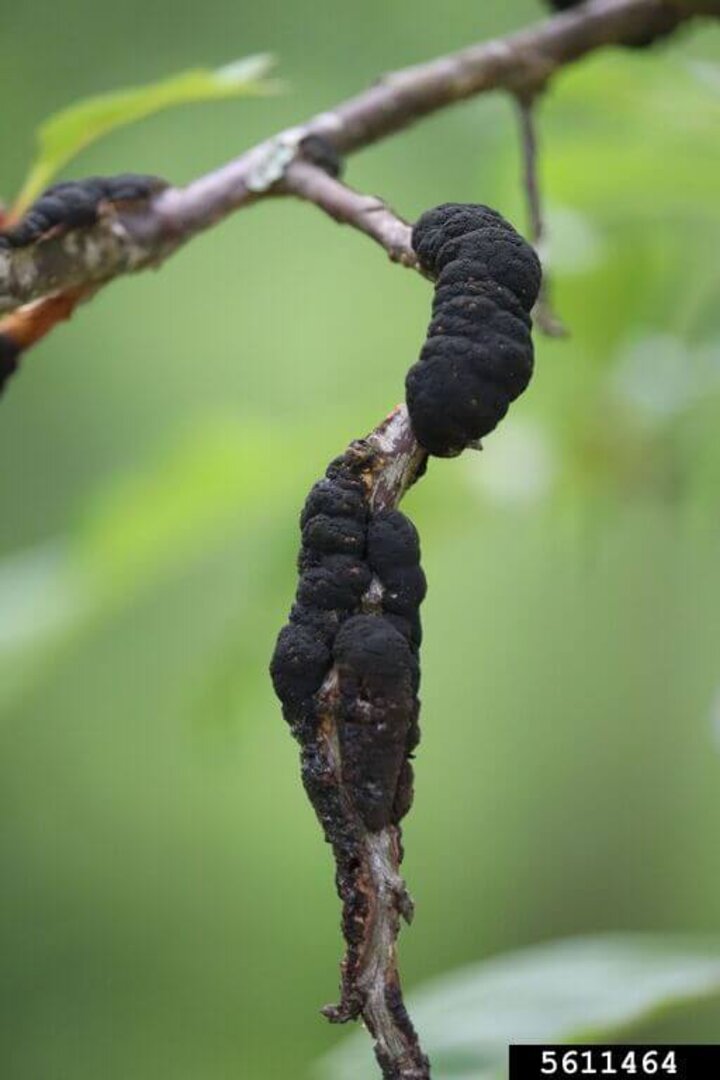
9. Black Knot
Black knot is a common problem of stone fruits, especially plum and cherry. The most obvious symptom of this fungal disease are hard, elongated, black galls encircling branches. As knots grow, they eventually cut off flow of water and nutrients to branches, causing stunting, wilting, and dieback.
Pruning is the most important control measure and can reduce infection by 80%. Knots are best pruned out in late winter or early spring before growth begins. It is important to prune at least 2 to 4 inches below each knot because the fungus grows beyond the edge of the knot itself. Sterilize pruning tools between cuts. Bury or burn pruned plant material.
If pruning is not possible because knots are present on major scaffold limbs or the trunk, knots can be removed by cutting away the diseased tissue down to healthy wood and out at least 1/2 inch beyond the edge of the knot. Burn or bury pruning cuttings before April 1st.
Fungicides can offer protection against black knot, but are unlikely to be effective if pruning and sanitation are ignored. Fungicides are most needed and provide the greatest benefit if applied before rainy periods when temperatures are greater than 55 degrees F.
10. Commercial/Non-commercial pesticide applicators
The 2026 initial training and recertification period began January 1, 2026. If you have a pesticide applicators license which expires in April 2026 or you need to get a new license, commercial/noncommercial applicators have several options to recertify or get a new license.
2026 Traditional Classroom Training
2026 Commercial/non-commercial training will be held January through April. Training schedules are available at https://pested.unl.edu/. Help your employees be successful at getting a license by purchasing study materials.
Testing-only Options
- Closed-book exams are given by the Nebraska Department of Agriculture (NDA). Preregistration is not required an there is no cost. Visit the link below for a list of available test-only dates, times and locations - https://pested.unl.edu/.
- NDA computer-based testing is provided through the Pearson-Vue company. Click here for a list of testing sites, categories available, dates, and registration information. Cost $55 per exam. (For applicators with multiple categories on their license, each category is charged the full testing fee.)
Commercial/noncommercial applicators are professionals who apply restricted-use pesticides for hire or compensation. Anyone who applies pesticides to the property of another person, either restricted- or general-use products, for control of pests in lawns, landscapes, buildings or homes must also have a commercial pesticide applicators license. Public employees (those employed by a town, county, state) applying mosquito control pesticides whether restricted- or general-use, must also hold a commercial or noncommercial certification.
11. Digital Diagnostic Network - Need help with diagnostics?
Do you or your clients have questions you need help answering? Maybe you are a lawn care person and they're asking about trees, shrubs, or flowers? While you can refer them to their local Extension office, another option is Digital Diagnostic Network. Homeowners, lawn care professionals, pest control operators and others are invited to submit questions and photos through this website or with the assistance from an Extension professional at any Nebraska Extension office. All offices are equipped with high-resolution digital image capturing technology. Whether the question is about a lawn weed, insects on a plant, diseases in a shrub border or other, an expert panel of Extension professionals will review and respond to the question. To get started, create an account so the question can be reviewed and responded to via email. For more information and to create an account, go to Digital Diagnostic Network.
Bugging Out With Your Camera Phone - Tips on how to get a good picture.
Reference to commercial products or trade names is made with the understanding that no discrimination is intended and no endorsement by Nebraska Extension is implied. Use of commercial and trade names does not imply approval or constitute endorsement by Nebraskas Extension. Nor does it imply discrimination against other similar products.
Continuing Issues
Fruits & Vegetables
Trees & Shrubs
- Emerald Ash Borer Resources - EAB has been found in several Nebraska locations. Homeowners are encouraged to wait to begin treating their ash trees until the insect is confirmed within 15 miles of their location.
- NFS Tree Storm Damage Resources